
Welcome back to the Cold Window Newsletter! In this issue, some thoughts on a new Chinese state initiative to promote young writers; two novelists skewering contemporary work culture through science fiction; and a quick rundown of major new Chinese novels by Cold Window favorites.
If you’re interested in my newly launched internet literature book club, remember to join the free Cold Window subscriber chat on Substack. We’re blitzing through short chunks of novels from many different genres (this month we’re reading Transmigrating to the Ming Dynasty’s Imperial Examination), so if you want a crash course in webfiction, hop aboard.

News: A State-Backed Promotional Push for Young Writers
Last month, the entire Chinese literary publishing industry went into its annual overdrive for the Beijing International Book Fair (BIBF). It’s always a fun time to exist on the outskirts of the literary community in Beijing. Publishers and translators stream into China from all over the world, competing roundtables take place throughout the city, and, for a while at least, the interconnectedness of the global publishing industry is on full display.
At one event, the Ireland-based British novelist Claire-Louise Bennett (author of Pond and Checkout 19) sat down for a conversation with Dan Bao 淡豹, a young novelist from Shenyang (author of Perfect Bliss 《美满》). Bennett’s stream-of-consciousness reflections on her pre-novelist career were short stories in their own right, sometimes lasting ten or fifteen minutes at a stretch. Her interpreter Xiao Luo kept up without missing a beat, earning her a rapturous round of applause at the end. This is what international literary exchange should look like.
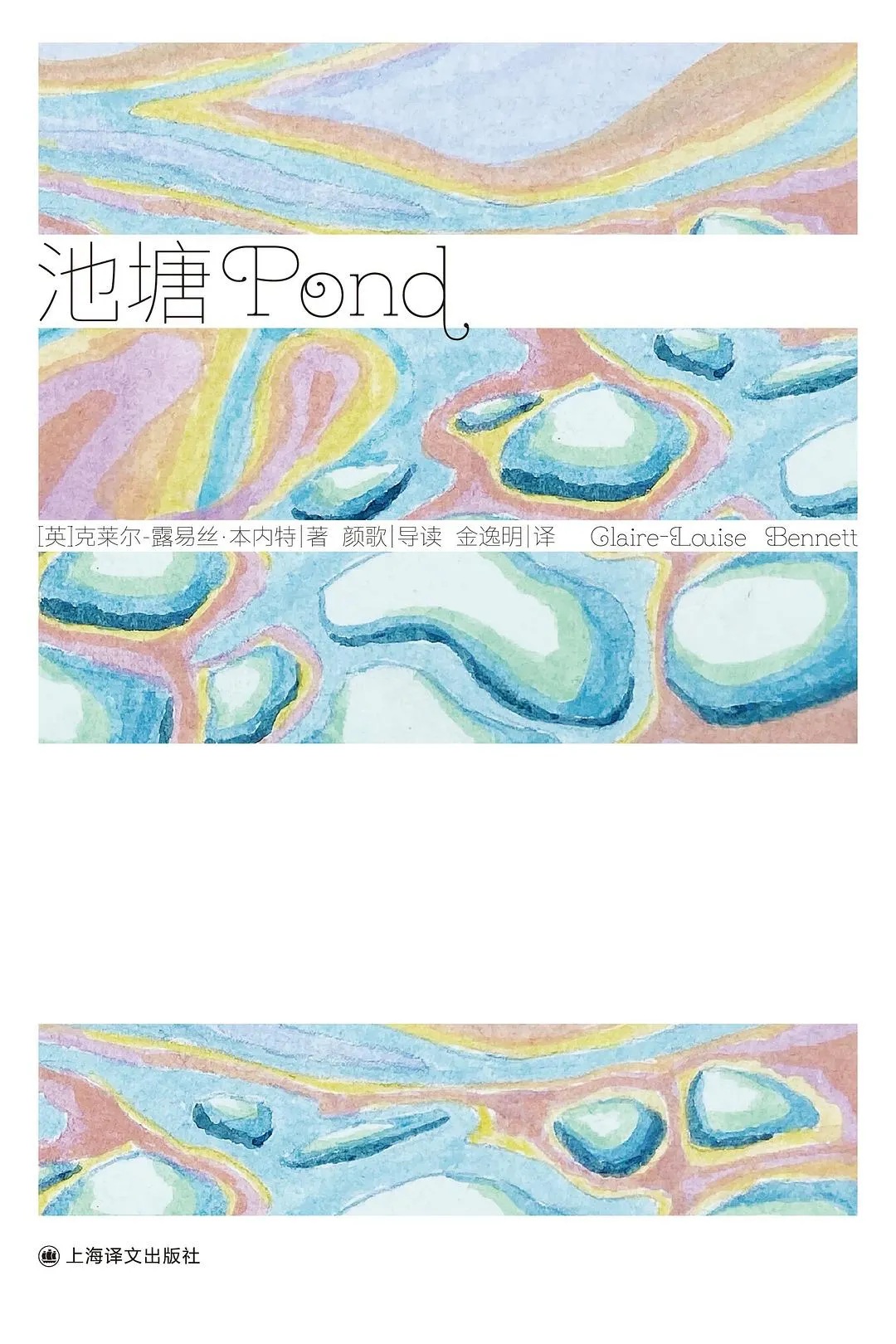
The gorgeous new Chinese edition of Claire-Louise Bennett’s Pond (2015).
Of course, it rarely is. Many talks at BIBF are much less substantive—mere pageantry in which domestic publishers and state entities like the China Writers Association announce new international publishing initiatives meant to “tell the good China story.” These talks can be entertaining, but I rarely take them very seriously. Nine times out of ten, the books being promoted belong to that genre of ponderous, conventional realist novels that always wins the Mao Dun Literature Prize. Establishment books, not the kind of challenging fiction by younger writers that I like to seek out.
I started complaining about this to my publisher friend Daniel at BIBF, but he stopped me. Silently, he handed me a flier he had picked up earlier, announcing “Phase 1 of the Young Chinese Writers International Promotion Program.” And...
...it turns out the China Writers Association has good taste now?
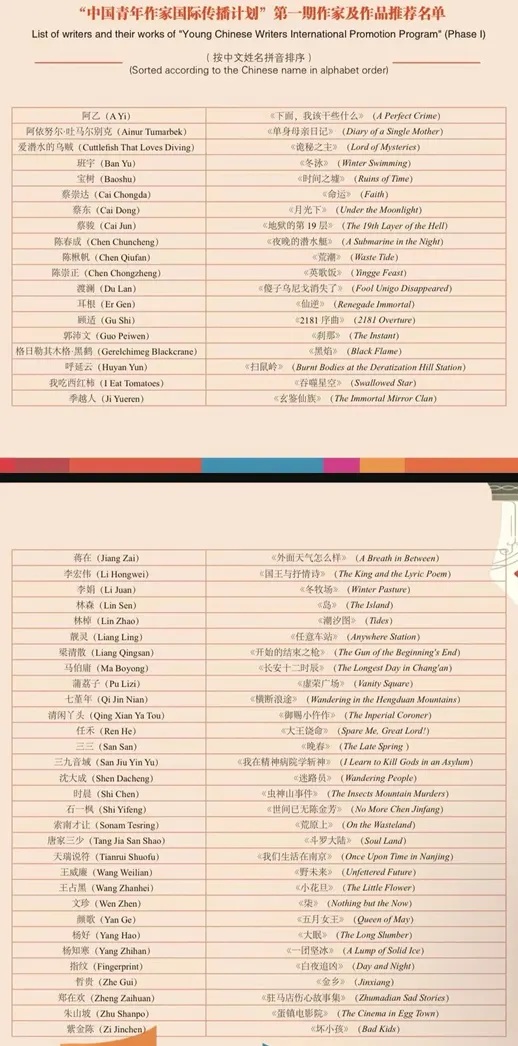
Source: 《中国出版传媒上报》
Look through the list of writers they’re planning to promote. It matches my own dream list of authors I want my friends in the US to read, to a shockingly high degree. Widely regarded wunderkinds like Chen Chuncheng 陈春成 and Ban Yu 班宇 are there, but so are Yang Zhihan 杨知寒 and Lin Sen 林森, brilliant young writers who haven’t even broken into the mainstream in China yet. The crime writers A Yi 阿乙 and Zijin Chen 紫金陈 are there, already well represented in English translation, but so is Lin Zhao 林棹, whose batshit novel written partially in frog language is one of the most amazing and untranslatable books of the last five years. If the Writer’s Association can actually get these books in front of international readers, that is an unambiguous win for world publishing, in exactly the same way as Claire-Louise Bennett enthralling her Chinese audience with the help of her gifted translator.
The question is, will this new promotional push get these authors’ works in front of international readers? State cultural bodies’ track record for successfully pushing Chinese novels into the international mainstream, at least in English, is not exactly stellar. Part of that spotty track record can be explained by the imperfect slate of books they’ve chosen to promote in the past. But it’s also undeniable that their actual strategies for promoting literature through Western publishing and social media can be clumsy at best.
What I do know, as someone who’s read many of the titles on the promotional list, is that for the most part these are genuinely excellent books—fresh, boundary-pushing, a mile away from the bland China Dream-flavored content that a phrase like “Young Chinese Writers International Promotion Program” would have led me to expect. Hopefully publishers will give them a chance. I’m just not convinced the Writers Association’s involvement is going to move the needle.
Feature: Biting sci-fi satire about contemporary work culture
One of the young authors whose work I was shocked (and impressed) to see on the Writers Association list is Liang Ling 靓灵, the author of a brilliant short fiction collection from last year called Anywhere Station 《任意车站》. Liang writes science fiction, but her work is as different as can be from the sprawling, conceptual, character-development-light epics that fueled the Chinese sci-fi translation boom a few years ago. Her stories are warm and tightly focused, much more concerned with locating the humanity within a futuristic society than with exploring the mechanics of her sci-fi concepts themselves.
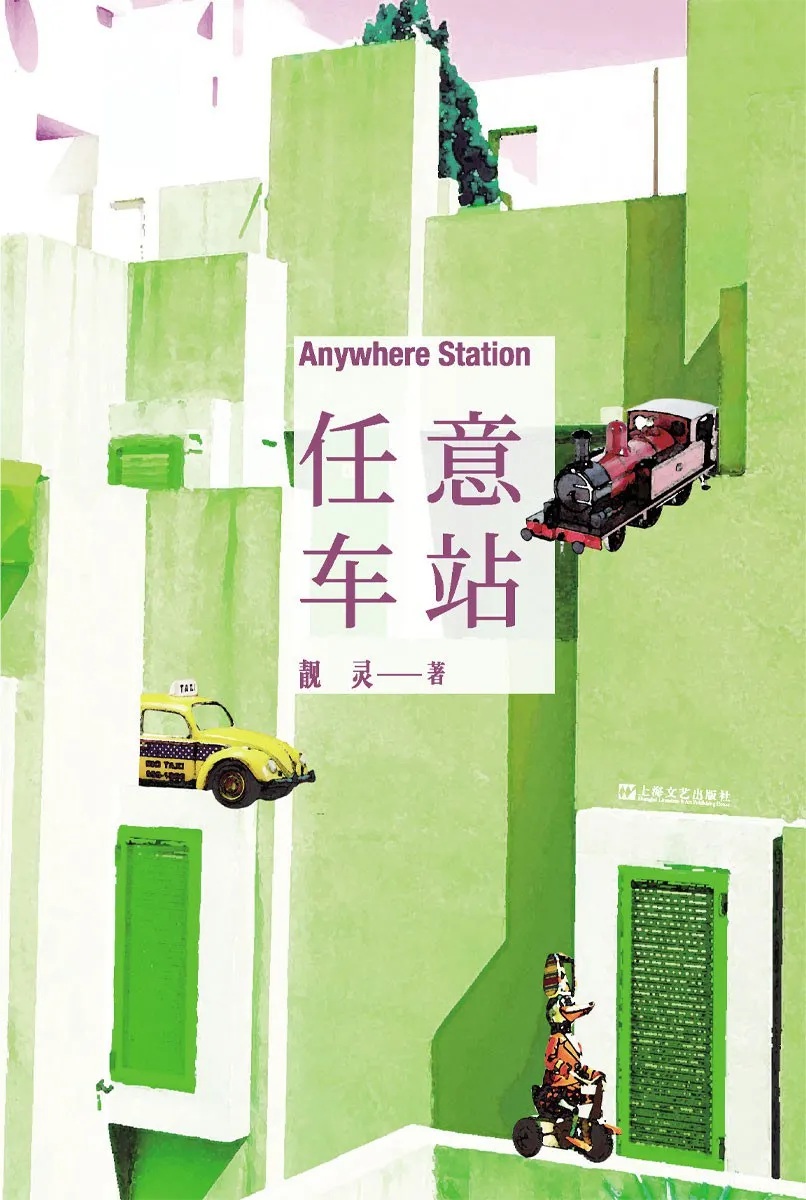
Take “Documentary: The Sweetness of Speed” 《纪录片:〈速之甜〉》, a novella. The basic plot, about a novel drug developed by a takeout delivery company to dramatically increase its workers’ delivery speed with catastrophic consequences for their health, is broadly in line with other sci-fi I’ve read about nefarious companies using technology to exploit their workers. But what makes this particular story so unique is the empathy that’s baked into its very structure. The entire thing is told in first-person testimonials from delivery workers, executives, and customers, such that the human cost of the drug, and the capitalist system that allowed it to worm its way into society, remain constantly in frame.
In one scene, a delivery worker realizes that, by relying on a drug that makes her unable even to hold a conversation at a normal speed, she has effectively been cut off from human society. When she describes her relief when she dashes down a hallway alongside another worker, finally in lock step with someone literally at her own wavelength, it’s incredibly moving.
(I read the first few pages of this story online before bed and was so absorbed that I decided to order a physical copy. It was lying in the doorway of my Beijing apartment by the time I woke up.)
Born in 1992

Available in English: “Wordfall” (full text); profile in World of Chinese
Liang Ling, born by the Yangtze in Wuhan in 1992, is a leading science fiction writer. She enjoys climbing, plants, travel, cooking, film, and painting, but hasn’t mastered any of them. She lives with three cats. Her works have been published in literary magazines, in anthologies, and online, and have been collected in the books 《月亮银行》 Moon Bank and 《任意车站》 Anywhere Station. She is the recipient of a Global Sinophone Science Fiction Galaxy Award and a Lenghu Science Fiction Literature Award, and her works have been translated into English and Japanese.
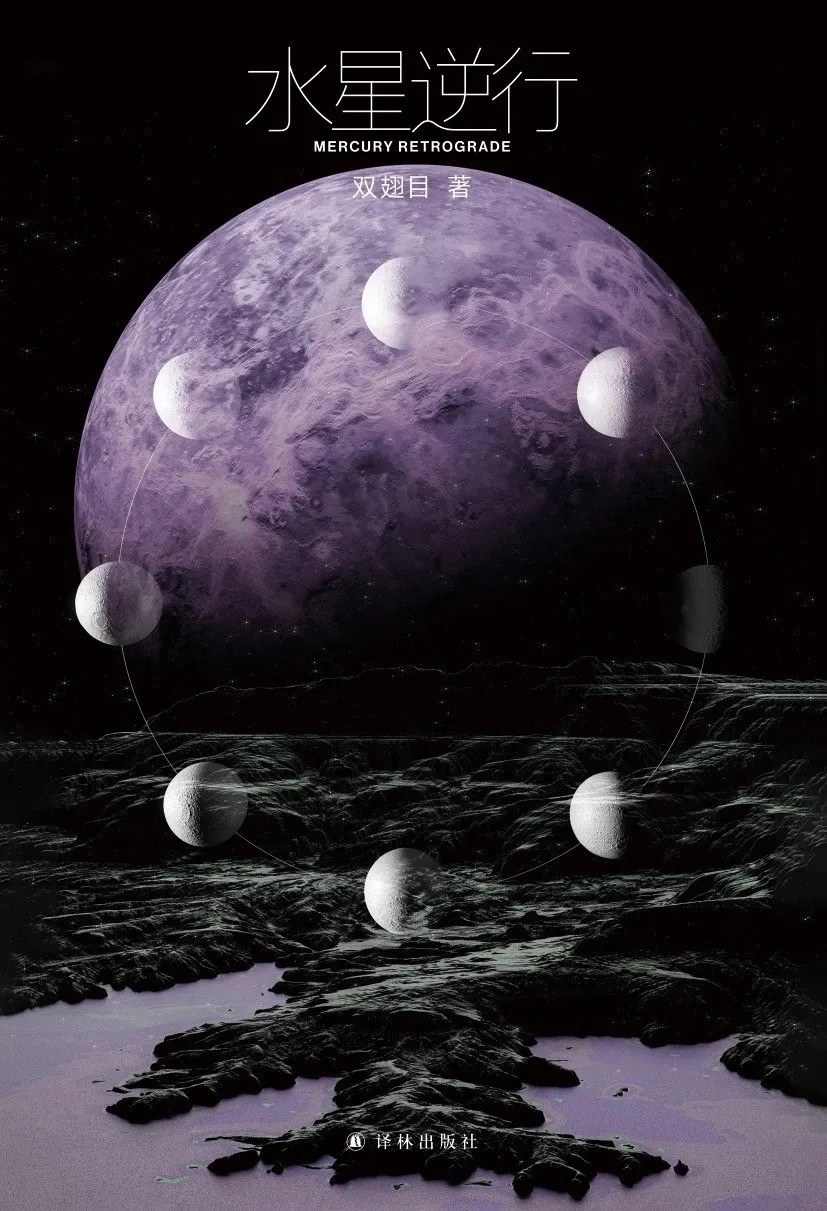
Also taking on the absurdity of modern work, but in a very different style, is Mercury Retrograde 《水星逆行》, a sci-fi novella collection by Shuang Chimu 双翅目. Shuang’s satire takes gleeful aim at academia, as in the story 《毛颖兔与柏木大学的图书资料室》 “The Maoying Rabbit and the Cypress University Reading Room,” about a student who discovers a magical pen in the recesses of his university and uses it to ghostwrite graduate theses and internet comments for cash. Even more bizarre is 《记一次对五感论文的编审》 “Proceedings of a Sensory Essay Review,” in which a team of academics have invented a way to sensorially experience pieces of writing through virtual reality, but only use it to hold protracted semantic debates about whether academic articles fit the scope of their research journal. Shuang’s decision to turn this killer premise into the driest and most procedural story imaginable is such a power move.
Available in English: “My Family and Other Evolving Animals” (purchase)
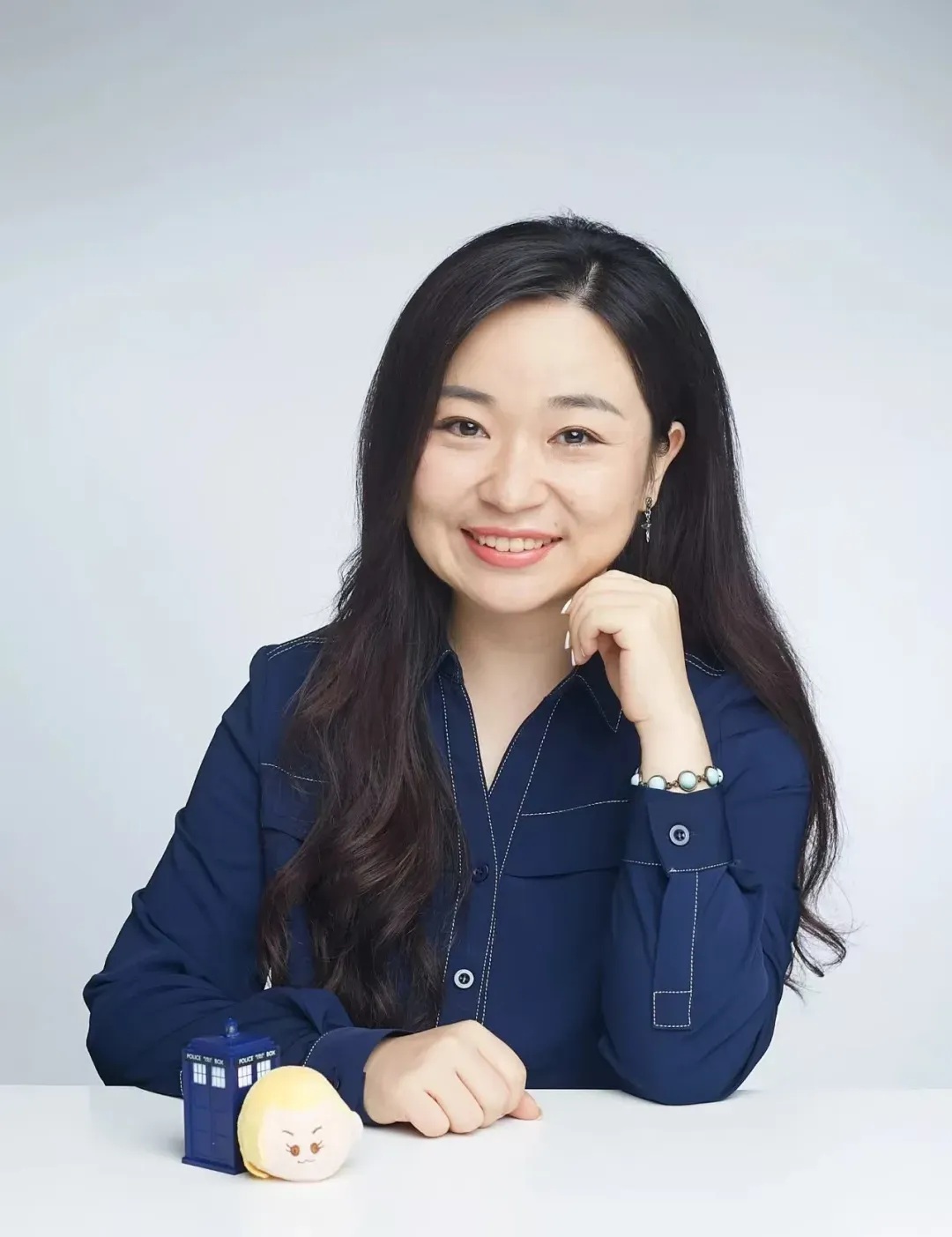
Shuang Chimu enjoys the continuum between theory and fantasy. Her science fiction and suspense stories have appeared in Harvest, Huacheng, Shanghai Literature, Science Fiction World, and Douban Reads. She has published the fiction collections 《公鸡王子》 Rooster Prince, 《猞猁学派》 Lynx Faction, 《职能的面具》 Intelligent Masks, and 《水星逆行》 Mercury Retrograde. Her works have been recognized at the Chinese Science Fiction Milky Way Awards (nomination), the Douban Reads Open Submission Competition (first place in the near-future science fiction category), the Global Sinophone Science Fiction Galaxy Award (silver medals for Best Short Story, Best Novella, and Best Critcism). Her stories have been translated into English, Japanese, and German.
Rundown: New novels by old favorites
I’ll wrap up this time with a quick rundown of new novels by some favorite authors of the newsletter. I haven’t read these novels yet, because, as I’ve written before, my slow reading speed has forced me to specialize in short fiction (for now)... But I do hope to get around to these books soon, and they’re well worth your attention if you prefer longform fiction. Two have even appeared on this year’s Blancpain-Imaginist Prize longlist.
The best I can do for you right now is to excerpt some Douban user reviews of these books to give you a sense of the conversation. If you are a habitual reader of new Chinese novels, write to me at coldwindowlit【at】gmail.com – I’d love to talk about possible collaborations!
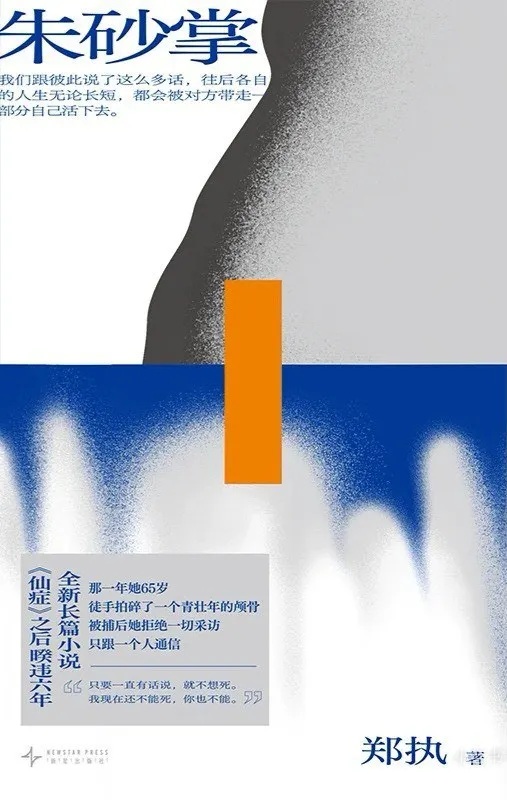
郑执《朱砂掌》 (Zhu Sha Zhang by Zheng Zhi): Douban user 蓝河的风儿 says, “Zheng Zhi seems to have done some reflecting on Dongbei literature and realized that, first, you can’t spend too much time talking about murder, and second, you can’t get too muddled up with the last century’s history. Both of these elements are played down in Zhu Sha Zhang. There’s a crime, but the focus is more on the crisscrossing paths of the woman who committed it and the woman investigating it, which makes up the main axis of the story. There’s only a hazy impression of events from the last century, whereas a ton of space is devoted to writing about this century’s pandemic. Toward the end, the book even feels like it’s turning into ‘pandemic literature.’”
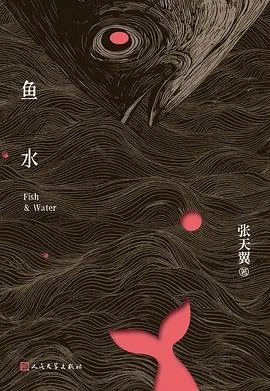
张天翼《鱼水》 (Fishwater by Zhang Tianyi): Douban user 豆友250710151 says, “The story opens with a death and then, in the wake of loss, travels backward into memory. There’s no excessive sentimentality or dramatic plotting. Wang Dali’s life is just like that of so many other women, spent trying to be a good wife, then a good mother, then a good grandmother, one after the other.”
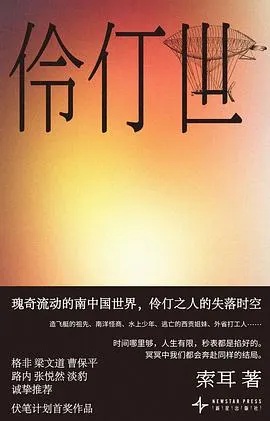
索耳《伶仃世》 (Lingding Shi by Suo Er): Douban user 亦非 says, “Lingding Shi is about the South, and the south of the South; it’s a story about drifting and separation. There’s a poster included with the book that depicts the ‘guava universe’ the author has created. The four tales in the book are like four guava pits, linked from beginning to end. The ordinary, unremarkable people it describes live mosslike lives, working, surviving, searching for a place to take hold.”
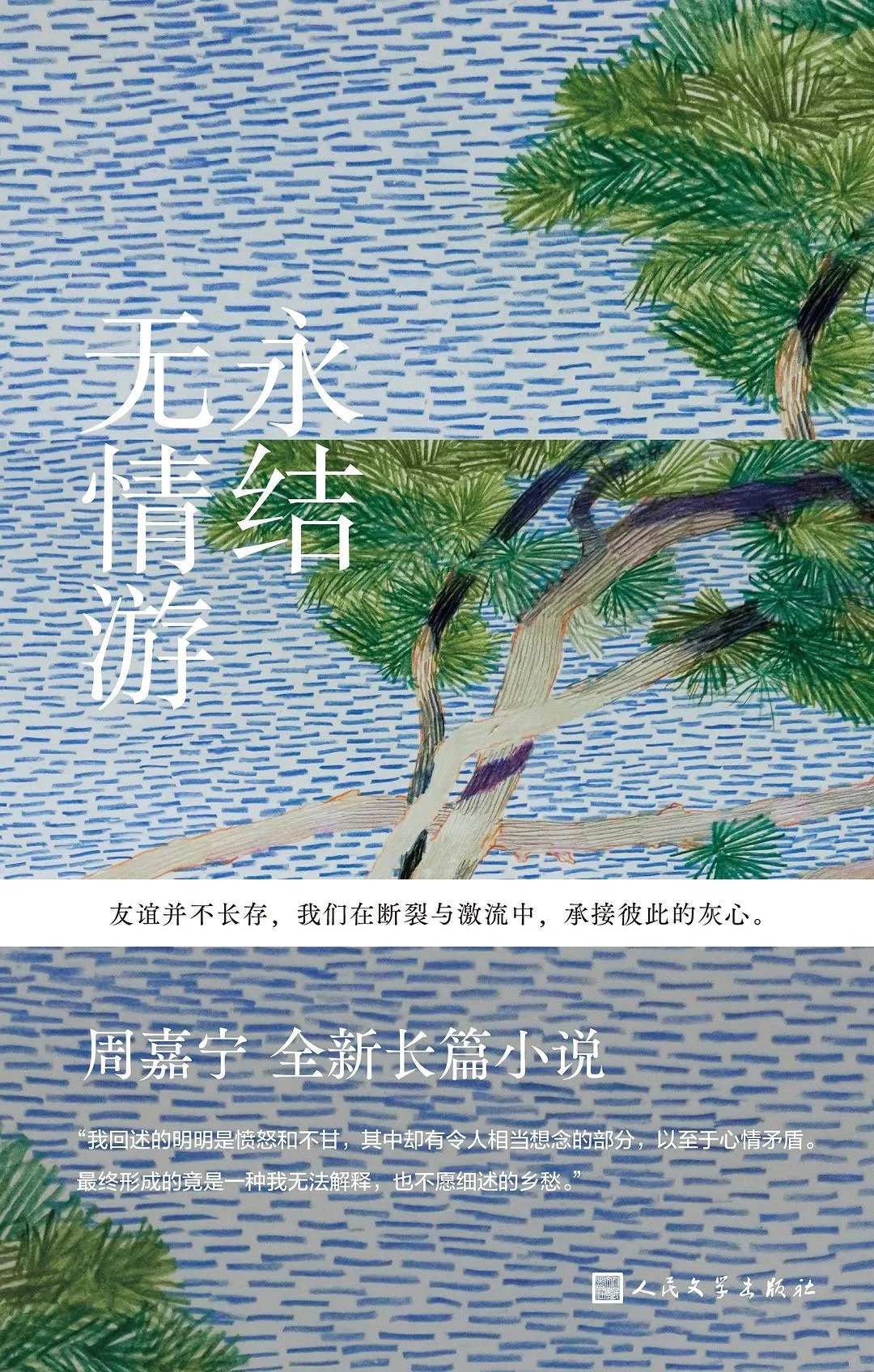
周嘉宁《永结无情游》 (Coldhearted Journeys in Everlasting Love by Zhou Jianing): Douban user 渡边 says, “I could make out fragments of reality throughout books, people and thing I thought I recognized... The use of ‘pre-pandemic’ and ‘post-pandemic’ as markers of time throughout the novel pricked at recent scars, leaving behind a faint ache. It seems to me that this is a novel about friendship. Friendship doesn’t last forever, but it feeds and shapes the selves we become.”
That’s all this time. I’m working hard on my summer roundup of the best short fiction of the year—hopefully I can actually get all the reading and writing done before summer ends. Thanks for reading.
Comments
There are no comments yet.